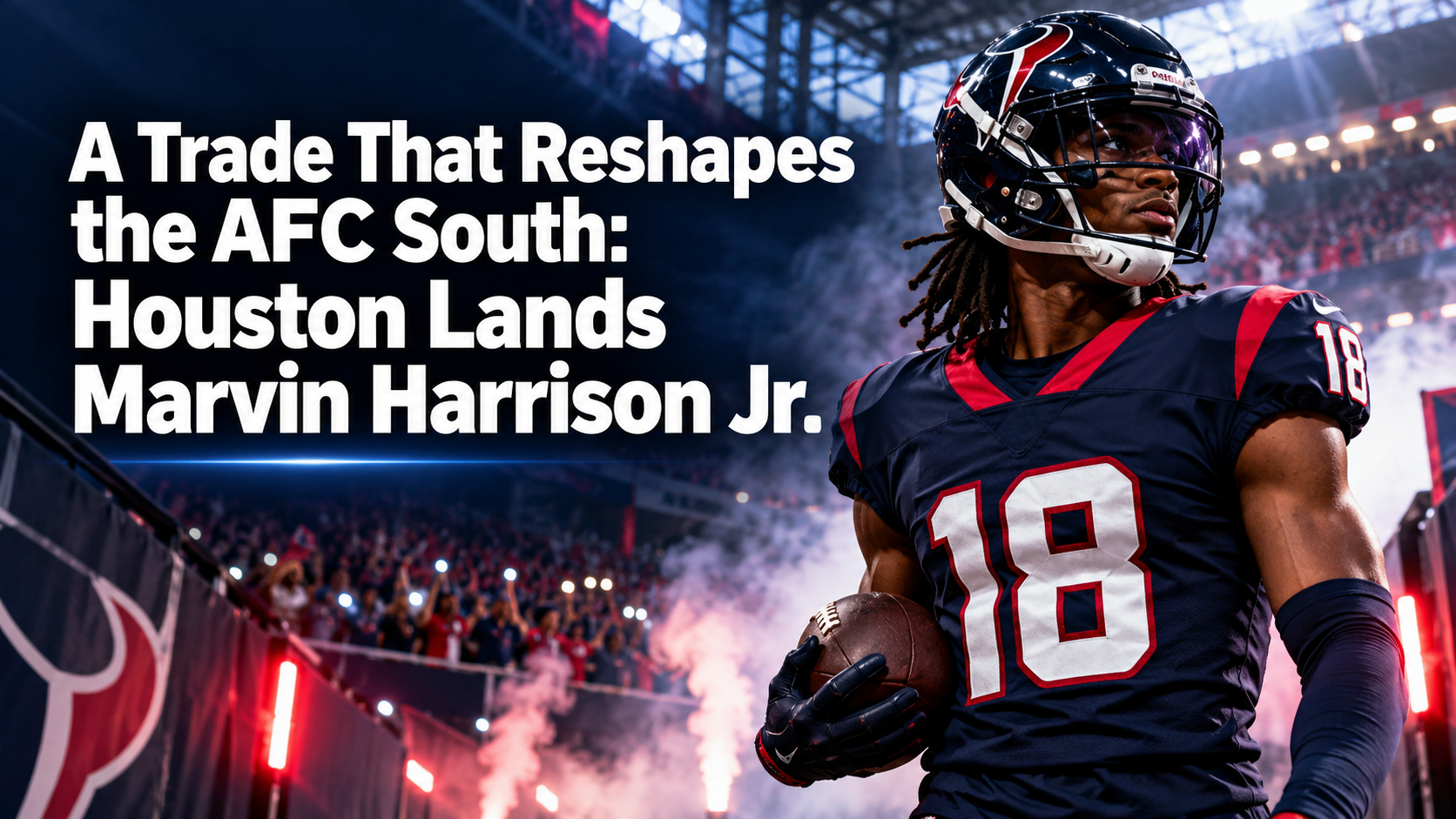
The Houston Texans have made a move that sent ripples through the NFL landscape by acquiring wide receiver Marvin Harrison Jr. from the Arizona Cardinals.
The transaction, finalized in exchange for a 2027 second-round draft pick, represents a significant shift for both franchises involved.
Where to Watch NFL Games
Paramount+

Paramount+
Big games, top soccer, and major events at a price that’s easy to love
DAZN

DAZN
Every punch, every round, every fight night in one place
FUBO

FUBO
The live sports streaming service built for fans who want it all
While the deal itself may seem straightforward on the surface, the circumstances surrounding this acquisition tell a much more complex story about player development, organizational patience, and the high-stakes gamble of modern NFL roster construction.
The Trade That Nobody Saw Coming: What Houston Just Did
Houston’s front office executed this acquisition with remarkable speed and discretion, catching most league analysts off guard.
The Texans parted ways with their 2027 second-round selection to bring Harrison to Texas, a price that reflects both confidence in his potential and concern about his recent trajectory.
The timing of this move is particularly noteworthy, coming just one day after Arizona made Harrison inactive for their Week 5 matchup against the Detroit Lions.
The decision to pursue Harrison represents a calculated risk for Houston’s management team. After being selected fourth overall in the 2024 NFL draft and signing a four-year contract worth $35.3 million fully guaranteed, Harrison’s career has been marked by flashes of brilliance interrupted by concerning setbacks.
His rookie campaign showed promise with 62 receptions for 885 yards and eight touchdowns, tying the Cardinals franchise record for most receiving touchdowns by a rookie alongside legends Larry Fitzgerald and Anquan Boldin.
However, his second season painted a different picture entirely. A series of injuries including a concussion in Week 6, an appendectomy in November, a heel injury in Week 13, and ultimately a foot injury in Week 17 limited his effectiveness dramatically.
He finished that troubled season with just 41 catches for 608 yards and four touchdowns before being placed on injured reserve in early January 2026.
His 2026 campaign showed further decline with only 10 receptions for 170 yards, though he did manage a long reception of 66 yards that demonstrated his explosive capability remains intact.
Why Arizona Let Him Go (The Answer Isn’t What You Think)
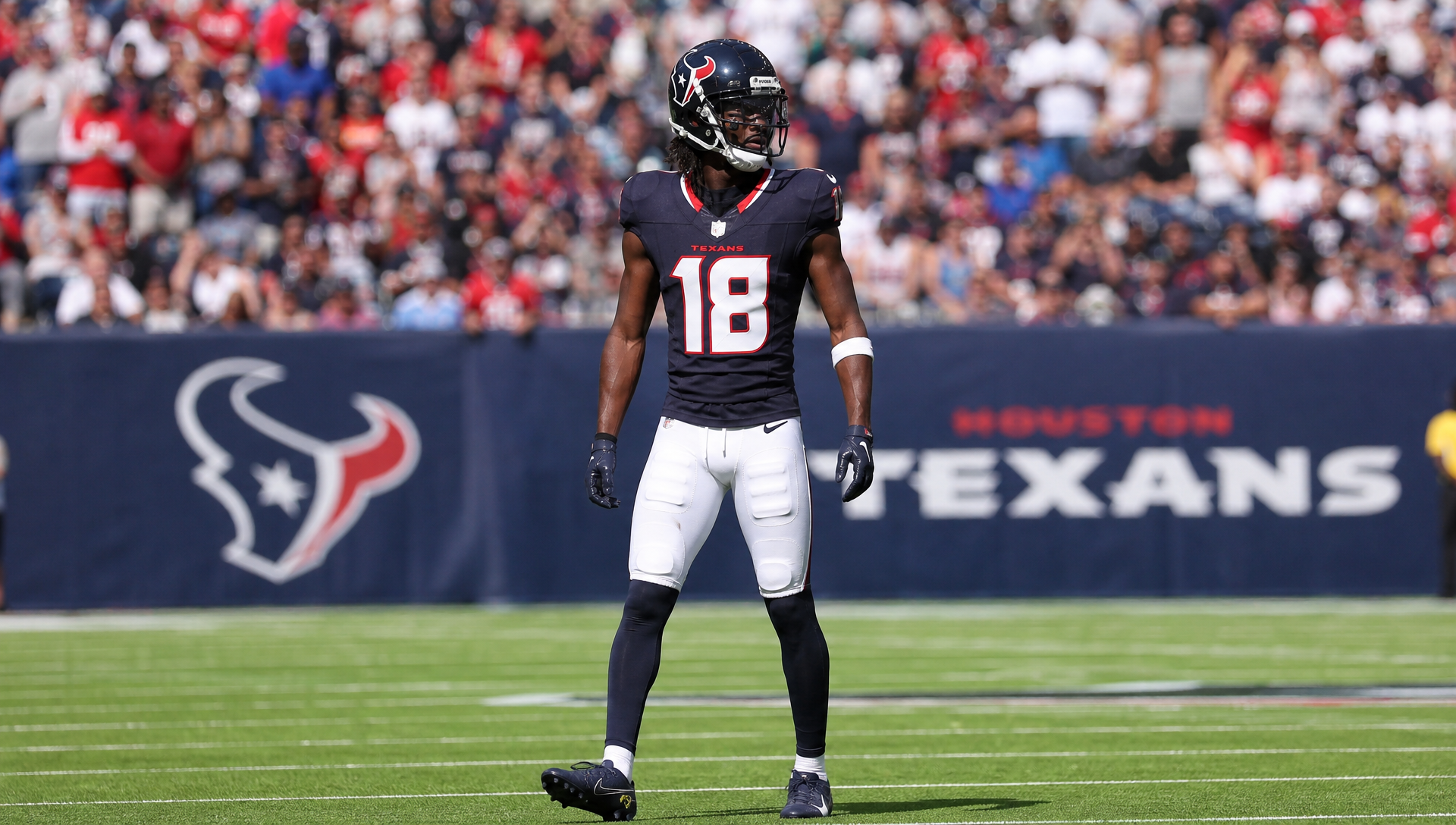
The Cardinals’ decision to move on from Harrison after just two seasons raises eyebrows across the league, especially considering the substantial investment they made in him. Arizona’s announcement on October 10th, 2026, that they would be parting ways with their former top-five pick suggests deeper organizational concerns beyond simple performance metrics.
The franchise’s willingness to absorb the financial implications of his guaranteed contract while accepting only a future second-round pick indicates a fundamental breakdown in the relationship or confidence in his long-term viability.
Some league insiders point to the mounting injury concerns as the primary factor, noting that Harrison’s availability became increasingly unreliable throughout his second season.
The pattern of recurring health issues, from concussions to surgical procedures to multiple lower-body injuries, may have convinced Arizona’s medical staff and coaching personnel that the risk outweighed the potential reward. His limited production in 2026, managing just 24 receiving targets across his appearances, reflected a diminished role that suggested the organization had already begun moving in a different direction.
The franchise’s decision to make him inactive before finalizing the trade also speaks volumes about the urgency with which they wanted to move forward without him.
This approach suggests that Arizona had already identified alternative plans for their receiving corps and viewed Harrison’s presence as potentially disruptive to their evolving team chemistry and strategic direction.
What This Really Means for C.J. Stroud’s Future
The acquisition of Harrison creates fascinating possibilities for Houston’s offensive scheme and particularly for their quarterback situation.
Adding a receiver with Harrison’s pedigree and physical tools provides another dimension to the passing attack, potentially opening up opportunities throughout the entire offensive unit.
Where to Watch NFL Games
Paramount+
Paramount+
Big games, top soccer, and major events at a price that’s easy to love
DAZN
DAZN
Every punch, every round, every fight night in one place
FUBO
FUBO
The live sports streaming service built for fans who want it all
His ability to stretch the field vertically, demonstrated during his explosive performance against the Los Angeles Rams where he recorded four receptions for 130 yards and two touchdowns in just the first quarter, could prove transformative.
The pairing also represents an investment in building a sustainable offensive foundation for years to come. Harrison’s rookie contract still has multiple years remaining, providing cost certainty and roster flexibility as the team continues to develop its core.
His presence could alleviate pressure on other receivers and create more favorable matchups across the formation. The Texans clearly believe that a change of scenery and a fresh start within their organizational structure can help Harrison recapture the form that made him such a highly coveted prospect.
However, the success of this partnership will depend heavily on Harrison’s ability to stay healthy and adapt to a new system. His track record of injuries cannot be ignored, and Houston’s medical and training staff will need to develop specialized protocols to maximize his availability throughout the season.
The One Question Everyone’s Asking About the 2027 Pick
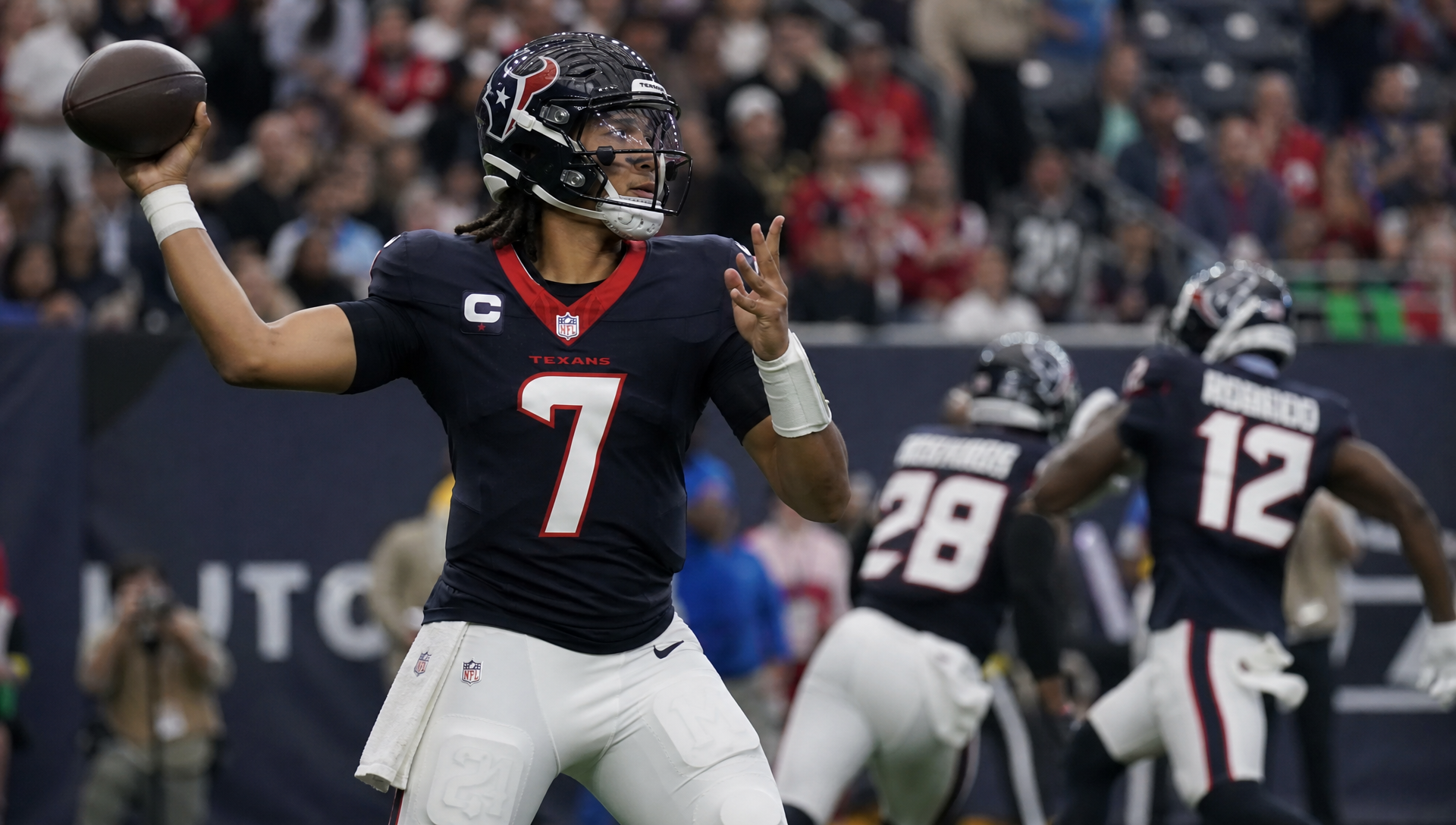
Trading away a 2027 second-round selection might seem like a distant concern, but it represents a significant asset that Houston has now committed to this gamble on Harrison’s rehabilitation and resurgence.
Second-round picks have historically provided excellent value in the NFL draft, often yielding starting-caliber players at a fraction of the cost of first-round selections. By surrendering this future asset, the Texans are essentially betting that Harrison’s contribution over the next several seasons will exceed whatever player they might have selected in that slot.
The timing of the pick being three years away also provides some strategic advantages for Houston. It allows the organization to focus on immediate roster construction without worrying about the lost asset in the near term.
Additionally, by 2027, the team will have a much clearer picture of their competitive window and roster needs, making the absence of that particular pick easier to plan around through other means such as free agency or trades involving different draft capital.
Critics of the deal point out that giving up any draft capital for a player with Harrison’s recent injury history and apparent organizational fit issues represents unnecessary risk. They argue that Houston could have pursued more reliable veteran options or developed younger players already on their roster without sacrificing future flexibility.
Inside the Deal
The mechanics of this transaction reveal careful negotiation between two franchises with very different motivations and timelines.
Arizona’s willingness to accept a future second-round pick rather than holding out for immediate draft capital or a more substantial return suggests they prioritized creating separation from Harrison quickly and definitively. The Cardinals likely explored multiple trade scenarios before settling on Houston’s offer, weighing the value of various proposals against the cost of retaining a player they had already decided to move on from.
For Houston, the acquisition represents a philosophical approach to roster building that emphasizes upside and potential over proven consistency.
The front office clearly believes their organizational infrastructure, from coaching to sports medicine to player development, can unlock the talent that made Harrison such a highly regarded prospect entering the league. This confidence in their own systems and processes drove their willingness to part with future draft capital for a player other teams might have viewed as too risky.
The deal also reflects broader trends in how NFL teams evaluate risk and opportunity in player transactions. Rather than viewing Harrison’s injury history as disqualifying, Houston apparently sees it as a factor that lowered his acquisition cost while his fundamental skills and physical attributes remain intact.
Whether this calculated gamble pays dividends or becomes a cautionary tale will unfold over the coming seasons, but the boldness of the move itself signals Houston’s intention to accelerate their competitive timeline through aggressive roster management.
Where to Watch NFL Games
Paramount+
Paramount+
Big games, top soccer, and major events at a price that’s easy to love
DAZN
DAZN
Every punch, every round, every fight night in one place
FUBO
FUBO
The live sports streaming service built for fans who want it all